Jul 16 2010
4 Comments
Greenland’s Decision: Nature or Culture?
Miriam Rose
Climate change has made Greenland the next industrial frontier, but at what cost?
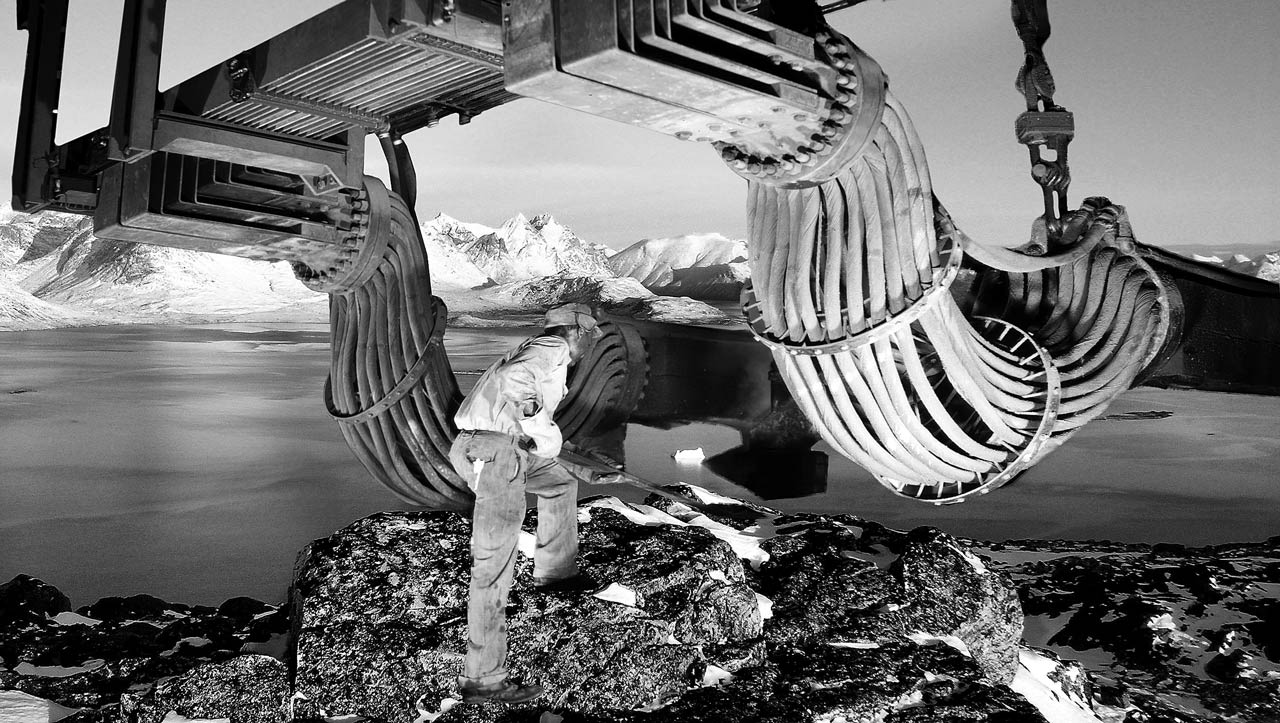
Humanity is in denial. We know that our hyperactive extraction of fuels, metals and minerals, and their dirty processing, consuming and dumping for our consumer ‘growth’ society is killing the planet and ourselves. We also know that all of these sugary treats are finite. But like an insolent toddler we continue; more and more, faster and faster – running in denial from the planetary spanking that is undoubtedly coming our way.
I have often hoped that the global emergency of climate change, combined with the inescapable reality of peak oil would wake us up from this selfish resource-gorging, and perhaps it still will before it is too late (too late: I.e tomorrow? 2012? 2020? a few months ago?). But in the meantime, nature has given western capitalism one last laugh. As the ice drips and cracks from Greenland’s white mass it is exposing a treasure trove of minerals, metals, ores and oil (one of the highest concentrations in the world), and plentiful hydro-power to help us heat, break and alter them into things we ‘need’. Just as the candle wick flares and gutters on our oil-driven consumptive society Greenland’s bounty has given it one more chance. One last bright flame, to hide from us the surrounding darkness.
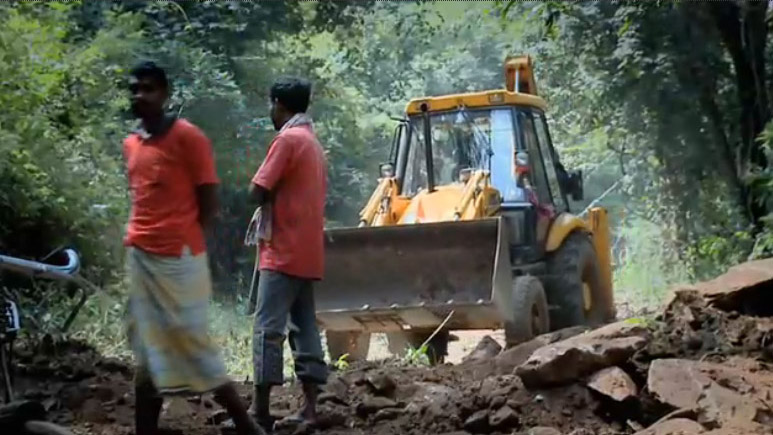 Orissa is the most mineral rich state in India. It is green and fertile, a patchwork of tiny fields and thickly forested mountains with waterfalls tumbling over their red rocks. Like many of the world’s remaining areas of natural fertility, these mountains are largely populated by tribal peoples, which in India are called Adivasis – meaning literally ‘the original inhabitants’ – and are thought to be one of the oldest civilisations in the world. One quarter of the Orissan population are tribal, making it also the ‘poorest’ state in India according to the World Bank. But its figures judge well-being only by monetary exchange, and fail to mention that there has never been a famine recorded here, and that many Adivasis rarely use money, living in balance with the mountains, streams and forests which provide everything they need. In thanks for natures’ providence many Adivasi cultures worship the mountains on which they depend as Gods, and vow to protect their bountiful natural systems from damage. Some of the Orissan mountains are among the last ancient forest capped hills in India, thanks to the determination of tribal inhabitants against British colonial efforts to log them.
 He Guoqiang, party secretary of the Central Commission for Discipline Inspection of the Chinese Communist Party, is visiting Iceland along with a delegation of business personale. They will be meeting with the country´s president, Ólafur Ragnar Grímsson, prime minister Jóhanna Sigurðardóttir and the foreign minister, Össur Skarphéðinsson, along with the heads of certain companies they´re interested in cooperating with.
 This article originally appeared in the June issue of the independent newsmagasine
  A new Icelandic, independent, monthly newspaper recently started circulating in Iceland. The paper’s name is Róstur, being an old word for turmoil or riot. The first issue came out in March, with final work being put into the fourth issue in these written words.
 Let’s cut to the chase. The opacity of Icelandic business and politics has done the country, as a whole, no favours. Much hand shaking and back scratching has gone on behind closed doors and such secluded business environments have proved themselves to be breeding grounds for lies, corruption, fraud, swindling, and downright thievery.
 The Canadian energy company Magma Energy will soon own 98% of HS Orka, an Icelandic power company. Leftist-Green MP Ögmundur Jónasson believes the government ought to step in and prevent the sale from happening.
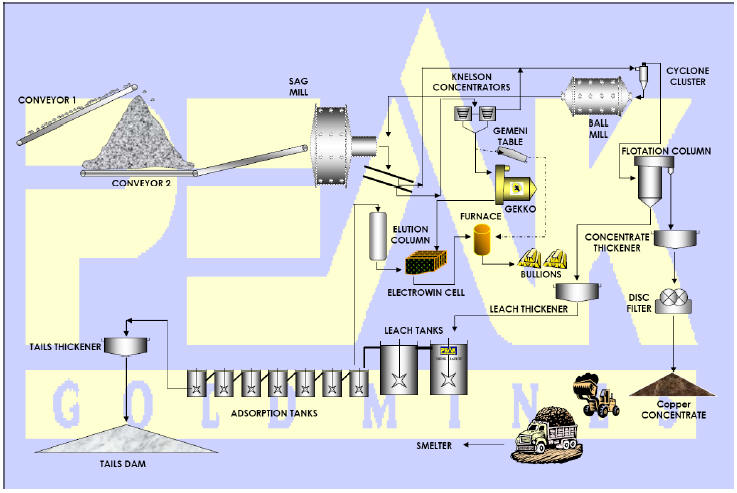 Platina Resources is seeking permission to go hunting for gold in the eastern regions of Iceland, where they wish to spend the next two years on their search. The project is to span huge areas of land, all the way from Vopnafjörður to the north, south to Breiðdalur, with all the senseless destruction research expeditions of this kind always entail. The focus is to be on gold mining, but the company does not rule out possibilities of copper, led, silver or zinc findings.
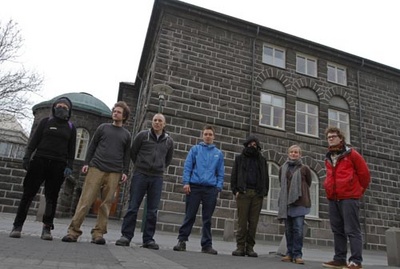 Mirroring France’s Tarnac 9, nine people have been charged in Reykjavík for ‘attacking parliament’ in December 2008, when they entered public benches, unarmed and without any violent intent or effort, to shout at congressmen: ‘Get the fxxx out! This building does not serve its purpose any more!’ Which was, in all respects, true. 40 days later public protest outed the government.
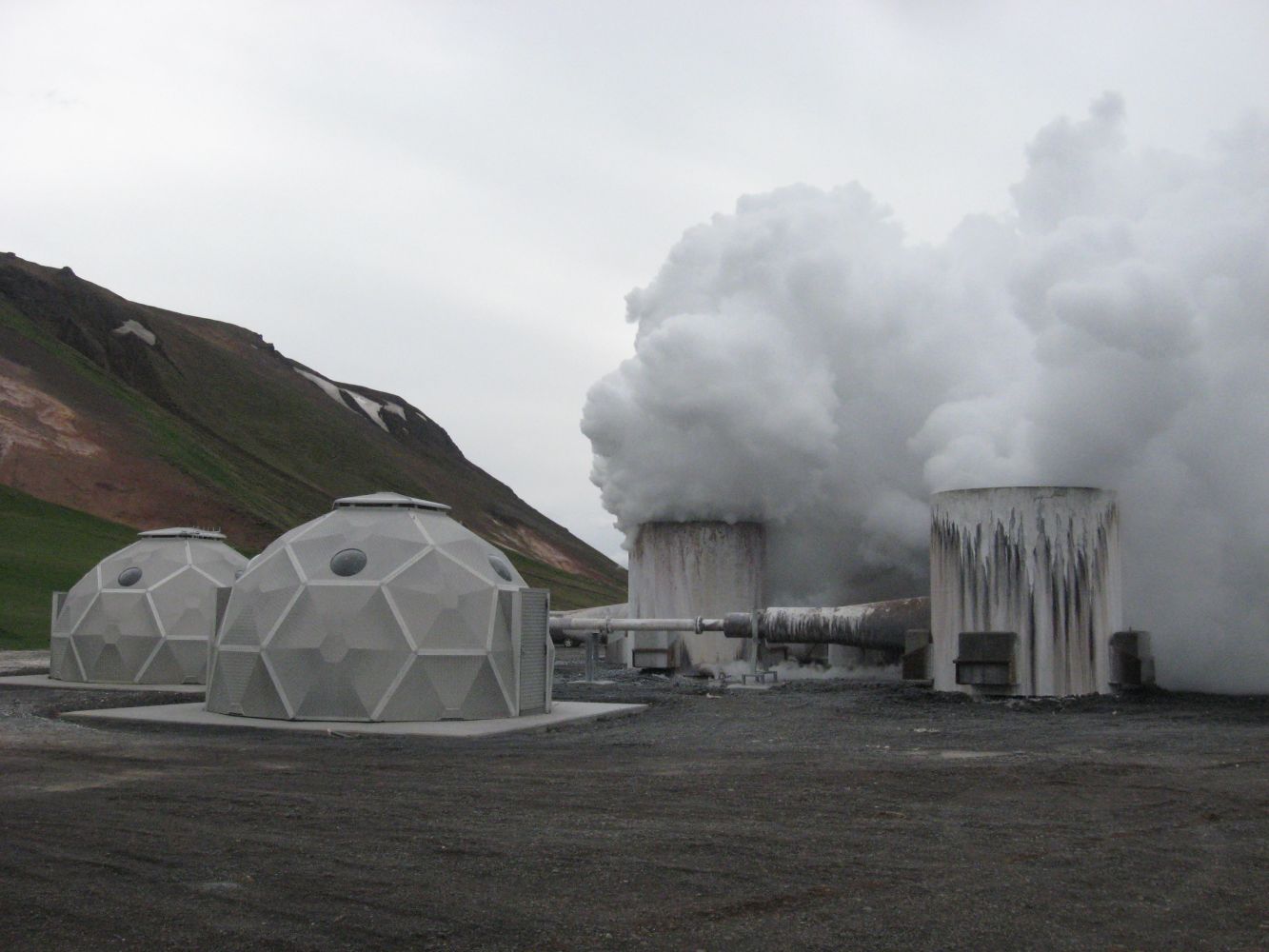
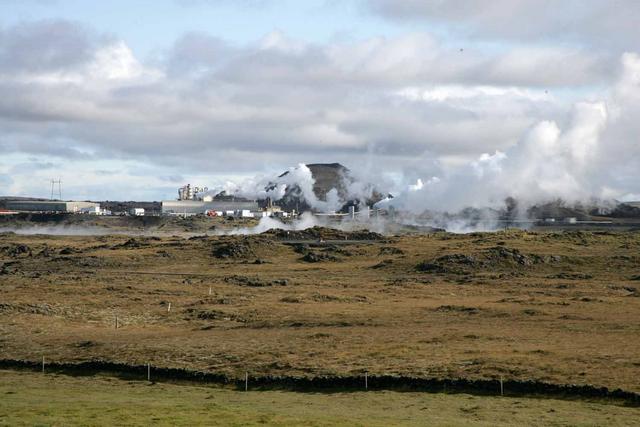
 The third largest power company in Iceland, HS Orka (Southern Peninsula Power Company) is in the process of being sold to the Canadian company Magma Energy. Magma already owns 46% of the stocks in HS Orka and is now set on buying Geysir Green Energy´s (GGE) 52% stock, leaving only 2% of the company in Icelandic hand´s. Magma´s takeover of the company started in july of 2009 when Magma bought an 11% share from GGE. Around the time of the purchase, Ross Beaty, Magma’s director stated that the company did not plan to become predominant in H.S. Orka or meddle with the management of the company’s power plants. Now, barely a year later, those words seem long forgotten.